E-Bike and E-Scooter Safety
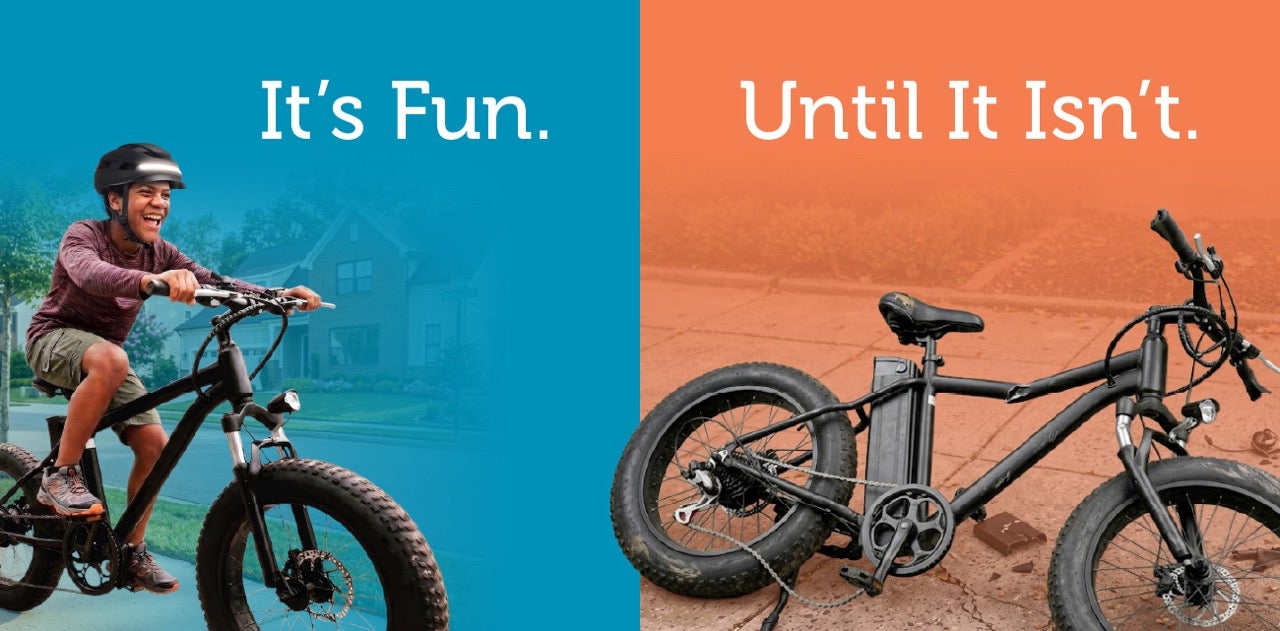
E-bikes and e-scooters are serious vehicles.
E-bikes, e-scooters and other micromobility vehicles can feel like everyday fun. But they aren’t toys, and they can reach speeds that leave little time to react when something goes wrong. One crash can turn a fun ride into an ER visit, a serious injury or a lasting change to a child's life.
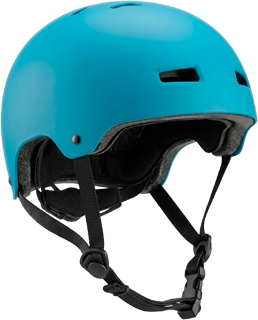
One ride can change everything.
Speed, traffic, inexperience and riding without a helmet can turn a short trip into a serious injury.
- Wear a helmet
- Know the rules
- Set limits
The Risks One Crash Can Change Everything
Nearly 3× Faster
Many e-bikes can travel 20–28 mph—nearly three times faster than a standard bicycle.
Only 1 in 4 Wore a Helmet
Among micromobility trauma patients treated by Valley Children's Trauma Team, only 1 in 4 was wearing a helmet.
More Than Double the Injuries
Micromobility injuries at Valley Children's increase every year. Cases have doubled since 2023, and the number in the first 3 months of 2026 alone surpassed the total for 2025.
Comparable to Motorcycle Crashes
Injuries from micromobility devices can resemble those seen in motorcycle crashes, including traumatic brain injuries, complex fractures and other serious trauma.
Before They Ride Start With Safety
If it has wheels, a helmet should be part of every ride. For faster electric devices, Valley Children's recommends higher-protection helmets, such as those with MIPS technology.
Closed-toe shoes and bright or highly visible clothing can help riders stay protected and more visible to others on the road.
Before purchasing an e-bike or e-scooter, understand how fast it can travel, how it operates and whether it meets California's legal definition. Not every device marketed as an "e-bike" is compliant.
Before riding, make sure your child understands and follows the rules of the road. Valley Children's also recommends completing an online or in-person safety course before riding.
Parents are the decision-makers. You decide where they can ride, how fast they can ride and when the ride needs to stop.
Unsafe modifications and non-compliant devices can increase speed and risk. Research before you buy and avoid devices that exceed California's legal limits.
Age, Speed & California Safety Reminders Not Every Device Is Appropriate for Every Rider
Before purchasing an e-bike, e-scooter, or similar device, consider your child's developmental level, maturity and ability to safely follow traffic rules. Then review the device's class, top speed, throttle behavior and local riding rules. A product marketed online as an "e-bike" may not meet California's legal definition.
Quick California E-Bike Guide
If it has wheels, a helmet should be part of the ride. For faster electric devices, Valley Children's recommends higher-protection helmets such as MIPS-level protection.
Device/Rule |
What To Know |
|---|---|
Class 1 E-Bike |
Motor assists while pedaling. Can reach up to 20 mph. |
Class 2 E-Bike |
Throttle can move the bike with or without pedaling. Can reach up to 20 mph. |
Class 3 E-Bike |
Can reach up to 28 mph. In California, riders must be at least 16 years old. |
Helmet Reminder |
California requires riders under 18 to wear a helmet on e-bikes. Children under 16 must wear a helmet on standard bicycles. |
Local sidewalk and road rules may vary by city. Check local guidance before riding.
For Parents & Caregivers You Decide Where the Ride Stops
Kids may see e-bikes and e-scooters as a way to play, race or get around. But parents set the standard. Before they ride, ensure that they’re set up to stay safe.
Know the class, speed, throttle, brakes, lights, reflectors and whether the device has been modified.
Helmet first. Riders should also wear bright or highly visible clothing and closed-toe, non-slip shoes.
Avoid high-traffic areas, crowded sidewalks and routes that require young riders to make fast decisions near cars.
No racing, no carrying extra riders, no phone distractions and no riding faster than conditions allow.
For Young Riders Fun Does Not Mean Harmless
Ride Like One Mistake Matters
- Slow down around pedestrians, driveways, intersections and parked cars.
- Use lights, reflectors and a bell or horn so others can see and hear you.
- Don't race, show off or carry passengers unless the device is designed for it.
Wear a Helmet
Crashes at higher speeds can cause serious injuries to your head, face, arms, legs, chest and abdomen. A helmet can't prevent every injury, but it can help protect your brain and reduce the risk of a serious head injury.
Ride Safely
Every ride is a chance to make smart choices. Wear your helmet, follow the rules of the road, stay alert and ride within your limits. The choices you make can help keep you safe.
Safety Starts Before the Ride
Talk with your child before the next ride. Check the device, wear the right gear, set clear expectations and make every ride a safe one. Because e-bikes and e-scooters are serious vehicles.
Many micromobility injuries are preventable.
Explore these trusted resources to learn more about protecting your child.
AAP News report about the dangers of e-bikes
Healthy Children - Are Electric Bikes Safe for Kids?
ACS Issues Statement on the Safety and Regulation of E-Bikes