January 2026 State of Our Children 360 Newsletter
In this month's edition, get an in-depth look and perspectives from subject matter experts about the impact of asthma on children's health, wellness and academic success.
Articles in this issue:
- Small Lungs, Big Risks: What Every Community Must Know about How Air Pollution Harms our Children
- Asthma: The Most Common Reason for School Absences
- How Local Action Is Making a Difference for Families with Asthma
- A Message from the Center Director
- Additional Resources
Small Lungs, Big Risks: What Every Community Must Know about How Air Pollution Harms Our Children
by Tania Pacheco-Werner, PhD, San Joaquin Valley Air Pollution District and California Air Resources Board Member
 We often hear that the San Joaquin Valley faces the worst air pollution in the nation, but most of us don’t know that children are among the most vulnerable communities to its health impacts. Why are children more at risk? According to the Environmental Protection Agency, children breathe approximately 50% more air per pound of body weight than adults, with the ratio being even higher for infants and toddlers. Added exposure leads to real health risks. Fortunately, many of these risks can be mitigated through education, prevention and treatment. While policymakers, agencies and private industries are hard at work successfully cleaning up the air, there are things that every parent and community member can do to help our children breathe easier and safer.
First and foremost, we must understand how children’s lungs are at risk. While most of us might see the occasional dust devil, the pollution we can’t see is what is most harmful. First, there is a type of pollution that is about thirty times smaller than the average human hair, known as particulate matter 2.5 (PM 2.5 for short). This pollutant has been known to impact on how children breathe, their heart health and immune systems. The more the child is exposed to high concentrations of PM 2.5, the more likely they are to have those negative health effects. The other pollutant we can’t see is ground-level ozone, which is a chemical reaction of oxides of nitrogen and volatile organic compounds in the air with heat and sunlight that cause harmful gas. This gas is immediately damaging to children’s lungs, especially those who are already at risk with asthma or other respiratory conditions. As a result of the ozone layer’s reaction to sunlight and heat, afternoon hours of the summer season can be the worst.
First and foremost, we must understand how children’s lungs are at risk. While most of us might see the occasional dust whirl, the pollution we can’t see is what is most harmful.
Cleaning up the air is an uphill task, and two environmental events are making it harder: extreme heat and wildfires. Extreme heat events mean higher than average temperatures, even for a place like the valley that gets hot summers. The heat lingers over a long period of time and does not provide much relief in the evening. This extreme heat and sunlight supercharge the formation of ground-level ozone. Large wildfires can create as much PM 2.5 pollution in a day than a year’s worth of car pollution. Smoke can also travel long distances and come down on communities that are many miles away from where those fires are burning. Unfortunately, due to changing climate conditions, we expect to see more extreme heat and wildfire events in the future.
Okay, all bad news. Let’s take a deep breath together. Now, how do we roll up our sleeves and help our children not only survive, but thrive in our communities? First, knowledge is power. Using phone tools like Valley Air District or EPA air quality applications can help us know PM 2.5 and Ozone levels in real-time. When you see an advisory that “sensitive groups” might be at risk, know that is referring to kids too. Schools and sports teams can adopt air quality policies, such as indoor recess or moving activities to a later date. That pollution affects all kids, not just those with asthma or breathing problems. Coughing, wheezing and chest pain can mean a child should be evaluated by their pediatrician. Adopting clean air filtration, cooling centers and masks can provide immediate relief from extreme heat and wildfire related pollution. Long-term strategies like more trees in neighborhoods, clean energy vehicles and car idling prevention programs at schools can provide big payoffs for our air. Continued policy changes and cleaner practices by industry like the use of clean trucks and tractors play a significant role in reducing air pollution for all. Community-level changes can help small lungs in a big way.
Sources and Resources
- U.S. Environmental Protection Agency. (2011). Exposure factors handbook: 2011 edition (Chapter 6—Inhalation rates). National Center for Environmental Assessment. https://www.epa.gov/sites/default/files/2015-09/documents/efh-chapter06.pdf
- Prunicki, M., Cauwenberghs, N., Lee, J., Zhou, X., Zhang, H., Zhu, A., Haddad, F., Rosenberg-Hasson, Y., Maecker, H., Wu, J., Snyder, M., & Nadeau, K. (2021). Air pollution exposure is linked with methylation of immunoregulatory genes, altered immune cell profiles, and increased blood pressure in children. Scientific Reports, 11, Article 4067. https://doi.org/10.1038/s41598-021-83577-3
Download the Valley Air App Download the EPA Air Now App

About the Author
Dr. Tania Pacheco-Werner is Executive Director of the Central Valley Health Policy Institute at Fresno State and a respected health advocacy and policy champion in the Valley. She also serves on the San Joaquin Valley Unified Air Pollution Control District Board and the California Air Resources Board, appointed by Governor Newsom. Tania is the mom of two boys and lives in Sanger, CA.
Asthma: The Most Common Reason for School Absences
by Marisela Sanchez, MSN, RN
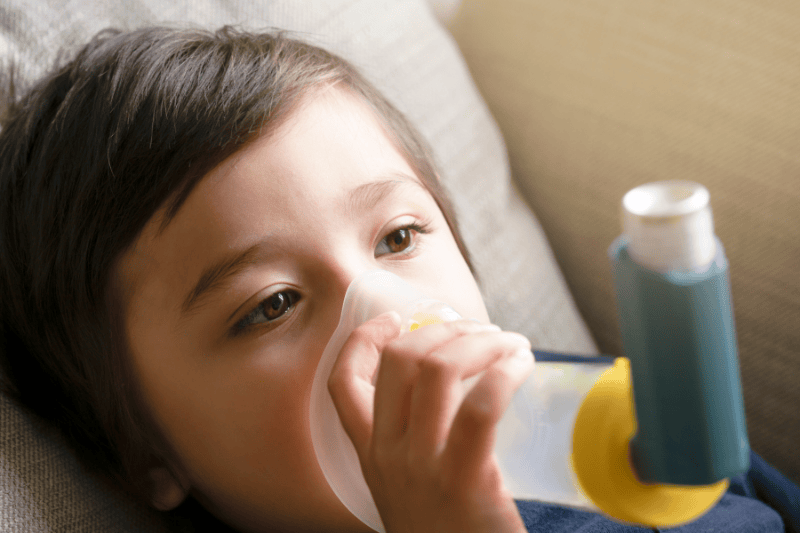 As a school nurse leader in Bakersfield, I have seen firsthand how asthma continues to be one of the most common and preventable reasons students miss school, largely due to misconceptions. As school nurses, we want our families to know that each absence represents more than just a missed lesson; it's a lost opportunity for growth, connection and building our students’ self-confidence. By working proactively with community providers, we aim to prevent asthma-related absences for our families.
A critical tip we'd like to share with families for strong control of their asthma is the use of spacers or aerochambers, no matter what age. Our goal in sharing with families is that without them, inhalers don't deliver the necessary dose deep into the lungs where it is needed the most. When medication isn't reaching the lungs effectively, our students appear "uncontrolled" and end up sitting out or going home. The solution may involve the consistent use of a spacer, with maintenance medication provided at home and rescue medication available at school. Our school nurses invest critical time in teaching students correct inhaler techniques and proper spacer use as we believe it can be the difference between missing class and mastering their control.
Another hidden complexity in absences is the absence of physical activity. Too often, students with asthma believe they "can't" participate in physical education or exercise. But avoiding it all together isn't the answer. Physical activity and exercise are essential parts of asthma management when symptoms are well controlled. We want our families to know that while physical activity strengthens lung capacity, it reduces stress; it's also connected to better academic achievement and stronger emotional regulation skills. This directly impacts a student's overall classroom success. Helping our students with access proper asthma care and participating safely in physical activity is more than fitness; it's about nurturing the whole child. The goal isn't to sit out at home until they are better - it's to stay in school, stay active and stay healthy with proper collaboration between the families, providers and school nursing staff.
School nurses work hard not just managing asthma during the school day - but also by teaching students how to manage it themselves. This confidence carries beyond the classroom, and while spacers can seem like an extra step, they are an important tool that help keep students in class, participating fully.

About the Author
Marisela Sanchez is the Assistant Director of the Health, Safety, and Wellness Department in the Panama-Buena Vista Union School District in Bakersfield, where she supports a team of 38 dedicated team members, including safety/employee health staff and nursing staff to enhance district health outcomes. A credentialed school nurse since 2012, Marisela brings extensive experience in school-based healthcare, previously serving as both a school nurse and a special education program specialist supporting nursing services.
With a strong foundation in both clinical nursing and educational leadership, Marisela holds a Bachelor of Science in Nursing from CSU Bakersfield, a Master of Science in Nursing from Sacramento State University, and a School Nursing Services Credential. She also holds an Administrative Services Credential, equipping her with the expertise to develop and implement strategies that enhance student and staff health and safety standards in the school setting.
Through her leadership, Marisela champions comprehensive school health services that address the diverse needs of students, ensuring they are healthy, safe, and ready to learn.
How Local Action Is Making a Difference for Families with Asthma
by Tim Tyner, Executive Director, Central California Asthma Collaborative
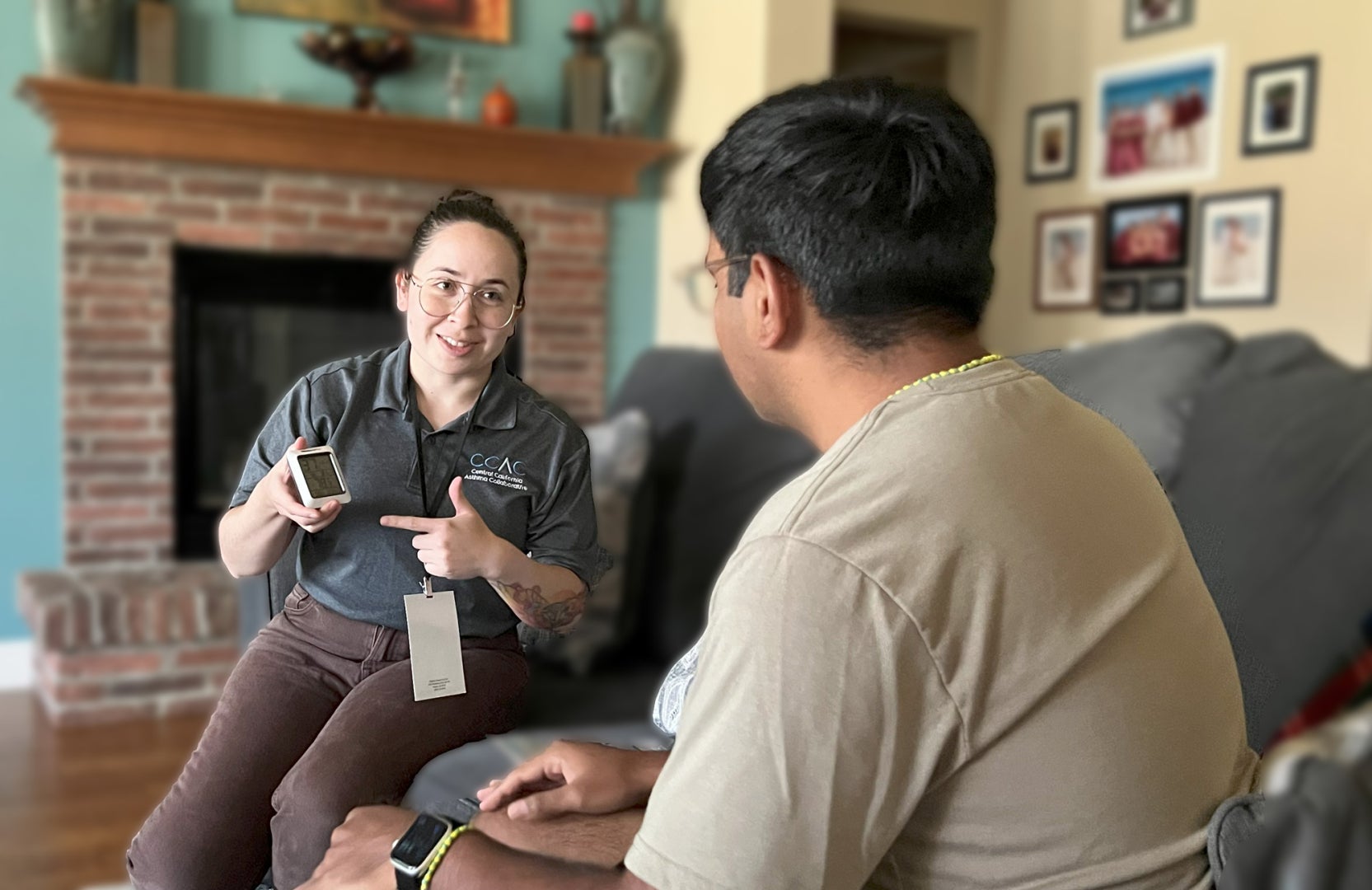 Asthma is a major public health concern in Central California, with most counties registering higher asthma prevalence rates than the statewide average. Families face multiple challenges to manage this chronic disease, including exposure to indoor and outdoor air pollution. It is especially challenging, and scary, for the parents of young children. Breathing polluted air both inside and outside the home makes it difficult to effectively manage asthma and often leads to urgent care and emergency room (ER) visits, especially among children. The Central California Asthma Collaborative (CCAC) has played a critical role in addressing these challenges by providing an in-home asthma education and trigger remediation program, as well as a community-based outdoor air pollution monitoring and alert network, to reduce exposures and ER visits.
Founded in 2011, CCAC works toward a vision of creating healthy, resilient communities where all people can breathe clean air and thrive. Our mission is to advance health equity and environmental justice by empowering Central California communities through services, research, advocacy and data-driven solutions to reduce the burden of asthma.
With the introduction of the California Advancing and Innovating Medi-Cal (CalAIM) asthma remediation community support service in 2022, CCAC launched the Comprehensive Asthma Remediation and Education Service (CARES) program, based on a decade of CCAC’s asthma home-visit experiences. We developed a team of highly trained community health workers (CHWs) who conduct hundreds of home visits every month to help families identify asthma triggers and determine which asthma remediation tools we will provide free to the family to help reduce those triggers.
Our CARES CHWs focus on increasing awareness, improving asthma self-management, and providing patients with the knowledge and resources they need to lead healthier, more fulfilling lives.
“I learned so much from this program, I learned how to use my inhalers properly and how to best prep my home to manage my flare-ups. I am grateful for the resources this program has provided for me. It has significantly helped my breathing issues I faced constantly as a pet owner with chronic asthma.” - CARES participant
We are proud to have served more than 7,400 patients with asthma since our launch of CARES in 2022, with our amazing team of CHWs currently serving all eight counties of the San Joaquin Valley, as well as five counties in the Sacramento region. CCAC is contracted with seven Medi-Cal managed care plans to provide CalAIM asthma remediation services, including Anthem Blue Cross, CalViva Health, Health Net Community Solutions, Health Plan of San Joaquin, Molina Healthcare, Kern Family Health Care and Kaiser Permanente. In 2021, CCAC received the U.S. Environmental Protection Agency (EPA) National Environmental Leadership Award in Asthma Management.
As a supplement to our CARES program, CCAC also operates a community-based air monitoring network San Joaquin Valley Air (SJVAir). Unlike the limited network of regulatory air monitors operated by the Valley Air District, CCAC has partnered with community groups and schools across the Valley to install hundreds of air monitors, prioritizing communities that lack a regulatory air monitor and providing schools and residents access to local, real-time air quality information. SJVAir provides unhealthy air quality alerts through a free SJVAir smartphone app (Apple or Android), as well as text message notifications (you can sign up for text alerts on the SJVAir.com website).
CCAC also has an environmental health research program that partners with academic centers across California to study the impacts of air quality on children with asthma. CCAC has also partnered with institutions like University of California (UC), Berkeley and UC San Francisco to study the broader effects of air pollution on children, including potential associations with metabolic dysfunction and cognitive development. CCAC is currently partnering with Lawrence Berkeley National Lab to study the impacts of cooking electrification on children with asthma. This study includes the replacement of gas stoves with electric induction ranges in homes of CARES patients and the measurement of indoor air pollutants (e.g. NO2), lung function (spirometry and FeNO) and asthma symptoms before and after the cooking electrification intervention. This is the first randomized control trial to assess the health impacts of replacing gas stoves with electric induction.
We welcome referrals of asthma patients from all managed care providers throughout our service area. For more information about CARES and our other programs, please visit www.centralcalasthma.org.
About the Author
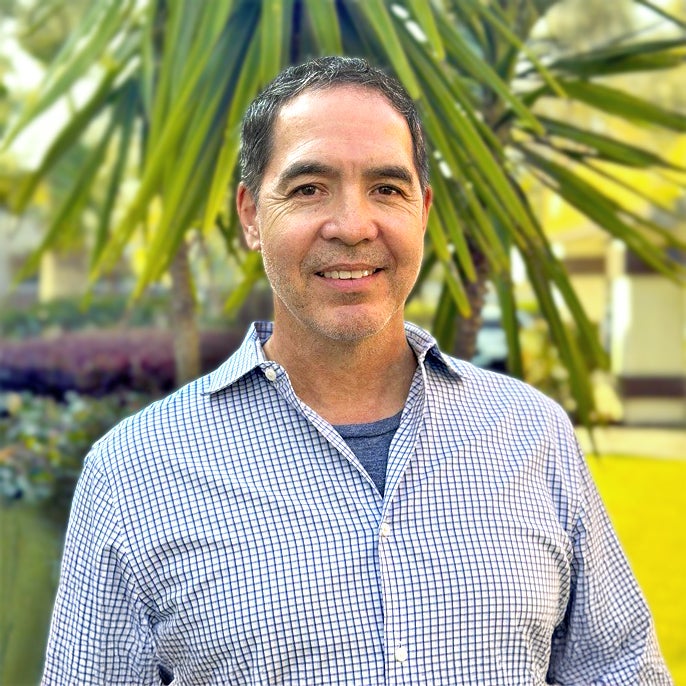
Tim Tyner co-founded CCAC in 2011 and served as the board chairman from 2011-2016 and 2021-present. Tim formally joined the CCAC staff in 2018 as co-director and assumed the role of executive director in 2024. Tim has overseen the growth of CCAC from a small team of six staff in 2018 to more 50 staff in five offices, serving disadvantaged communities from Bakersfield to Sacramento. In addition to the asthma services CCAC provides to Medi-Cal and HMO patients, the organization receives millions of dollars annually in state and private grants to study and address social and environmental determinants of health.
While responsible for CCAC’s portfolio of environmental, public health and research programs, Tim’s focus is currently on the organization’s public health and research initiatives. He oversees a community health division that provides CalAIM services to thousands of Medi-Cal patients across Central California through Asthma Remediation Community Support and Enhance Care Management (ECM). Tim has also established CCAC as a regional leader in the implementation of environmental health research. While at CCAC, he has served as principal or co-investigator on more than a dozen state- and federally-funded studies in collaboration with researchers at UC Merced, UC Berkeley, UC San Francisco, UCLA, Lawrence Berkeley National Lab and other institutions, directly overseeing research staff in the Fresno and Bakersfield offices.
Prior to joining CCAC, Tim spent 16 years overseeing and conducting research at UCSF Fresno. During his time at UCSF, Tim collaborated with investigators from UC Berkeley, Stanford, UC Davis and UCSF to study the impacts of air pollution on children’s health in Fresno. Tim received a bachelor’s degree in biology from California State University, Fresno and a master’s degree in molecular biology from UC Santa Barbara.
A Message from the Center Director
In a special feature article below, Dr. Carmela Sosa, Director of the Guilds Center for Community Health, provides a pediatrician's view of why asthma equity matters and how social drivers of health (SDOH) intersect to impact children's health.
Asthma is Not Just a Medical Diagnosis
by Carmela Sosa, MD, Director of the Guilds Center for Community Health
As a pediatrician committed to community health, I have learned that asthma is not just a medical diagnosis – it is a reflection of intersecting social realities. To truly understand why some children experience frequent asthma exacerbations or trips to the emergency department, while others remain well controlled, we must look through the lens of intersectionality. Children and families do not experience social drivers of health (SDOH) in a silo, one at a time. They experience them layer upon layer, overlapping and compounding.
I am reflecting on an adolescent I met many years ago from one of our rural communities. He kept coming in for frequent asthma flares one winter, requiring multiple courses of systemic steroids. The family was low-income and spoke a language other than English, with limited health literacy. They had intermittent issues with access to transportation and lived in substandard housing. They were afraid to ask their landlord to fix the heater and were relying on a wood-burning fireplace to heat their home. Each factor, alone, increased the risk for poorly controlled asthma. Together, they significantly magnified it.
Issues such as race, ethnicity, language and immigration status further intersect with asthma outcomes. Historical policies and practices have shaped where families live, the quality of housing they can access and their exposure to environmental pollutants. Children from historically disinvested communities are more likely to live near freeways or industrial sites and are less likely to have access to green space – factors which are linked asthma severity. These realities are not the result of individual choices but systems that shape the surroundings in which children live.
Medication adherence is often misunderstood. From the outside, it may look as though families are “noncompliant,” when, in reality, the parent is choosing between paying for food or prescriptions, sharing medication among siblings, and working three jobs to pay rent. If that parent has experienced bias or has felt dismissed by clinicians in the past, they may be less likely to ask questions or voice concerns. So, what looks like “nonadherence” is a natural response to structural constraints.
“...Asthma is not just a medical diagnosis – it is a reflection of intersecting social realities. To truly understand why some children experience frequent asthma exacerbations or trips to the Emergency Department, while others remain well controlled, we must look through the lens of intersectionality."
Community-based partnerships play a critical role in this intersection of health and lived experience, often gaining insight that is overlooked in the clinical setting. By helping families navigate systems such as housing support, legal aid, transportation, insurance enrollment, language access and medication assistance, our partners help translate medical information and recommendations into feasible action. Just as importantly, they bring essential context back to healthcare teams, informing for equitable asthma care.
Asthma equity will not be achieved through prescribing inhalers alone. It requires partnerships that honor lived experience, address intersecting inequities and systems change. When we work together across sectors, we move closer to a world where a child’s asthma outcomes are not predicted by the conditions in which they live, learn and play.

About the Author
Dr. Carmela Sosa has practiced pediatrics in both the urban and rural health settings – always focused on children with special health care needs and pediatric mental health. She joined Valley Children’s Specialty Medical Group at the Charlie Mitchell Children’s Center in April 2012 to provide complex primary care to children of the Valley. Her roles expanded in 2016 to include Associate Program Director of the Valley Children’s Pediatric Residency Program, and again in 2019 to Medical Director of Valley Children’s Primary Care. Today, Dr. Sosa is the director for Valley Children’s Guilds Center for Community Health where she works with community partners to improve the health of kids outside of the hospital walls. With her knowledge and expertise, she works to combat the social determinants that impact the overall well-being of kids throughout the Central Valley.
Learn more about Dr. SosaAdditional Resources

Air Quality Information at Your Fingertips
The San Joaquin Valley Air Pollution Control District works to improve air quality and protect public health in California’s Central Valley. Stay informed about air conditions and alerts — download the Valley Air app today!
Learn more
Cleaner Air. Healthier Communities.
The Central California Asthma Collaborative works to improve lung health and reduce asthma impacts through education, advocacy, and community programs. Join their mission to create healthier communities today.
Learn more