How To Address Food Allergies in Children
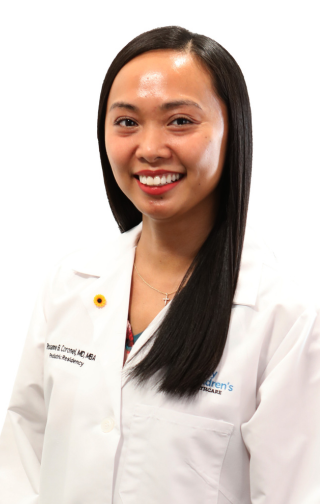
May 13, 2026A Personal Story from Dr. Urbano
I have heard the story countless times - how my parents found out I had a nut allergy. I was about 8 months old and was given popcorn granola mix to snack on. Shortly after, I broke out in hives, threw up and started having trouble breathing. All of these things pointed to something called anaphylaxis, which is a very serious allergic reaction. Fortunately, I was brought to the emergency room and received the help I needed in time. Having navigated life with these allergies, I am now in the unique position as a healthcare professional to share my experiences with my patients. I know what it's like to live with food allergies, and I want to help you and your family feel prepared and supported.
What Are Food Allergies?
A food allergy occurs when your body thinks something in food (called an “allergen”) is dangerous even though it is not. The allergens are tiny proteins found in food that can trigger a series of events within the body, leading to the symptoms we see during allergic reactions. Symptoms typically occur soon after exposure which may include eating, touching or even
inhaling the particular food. Some reactions are mild, but others can be very serious — and in rare cases, life-threatening. The body overreacts to these allergens and may cause symptoms like:
- Rashes or hives
- Swelling of the lips, tongue or throat
- Stomach pain, nausea or vomiting
- Headaches
- Trouble breathing
How Do You Find Out If Your Child Has a Food Allergy?
Talk to your child’s doctor if you think your child might have a food allergy. Getting the right diagnosis matters a lot. If your child is found to be allergic to certain foods, they will need to avoid them. Unnecessary food restrictions can affect your child’s nutrition and quality of life. Diagnosing food allergies typically involves a thorough review of your child’s medical history, allergy testing and referral to allergy specialist if needed.
Managing Your Child’s Food Allergy
Once a food allergy is confirmed, the most important thing to do is to avoid the foods that cause a reaction. Here are some tips to help you do that:
Read food labels carefully: Federal law requires that the top nine allergens (milk, eggs, fish, shellfish, tree nuts, peanuts, wheat, soybeans and sesame) be listed clearly on packaged foods. Check every label, every time, because ingredients can change over time.
Watch out for cross-contact: Be aware of cross-contact in kitchens, restaurants, and food preparation areas as even trace amounts of an allergen can cause reactions in some children.
Establish clear communication: Provide clear instructions to schools, child care providers, family members and anyone who cares for your child about what foods to avoid and how to recognize and treat reactions.
Create an emergency action plan: Work with your child’s primary care provider to develop a written plan that includes:
- What foods your child must avoid
- Signs and symptoms of an allergic reaction
- When and how to use emergency medications if needed (like an epinephrine
auto-injector) - Emergency contact information
Remember: You Got This
Living with food allergies requires extra care and attention, but children with food allergies can live full, happy and active lives. Many children also outgrow certain food allergies, particularly milk and egg allergies.
Teach your child about their food allergy as they get older in ways they can understand. Help them learn to speak up for themselves, ask about ingredients and know when to get help. Most of all, know that you are not alone in this. Your healthcare team along with great support groups and organizations are here with you every step of the way!