Emergency Medicine
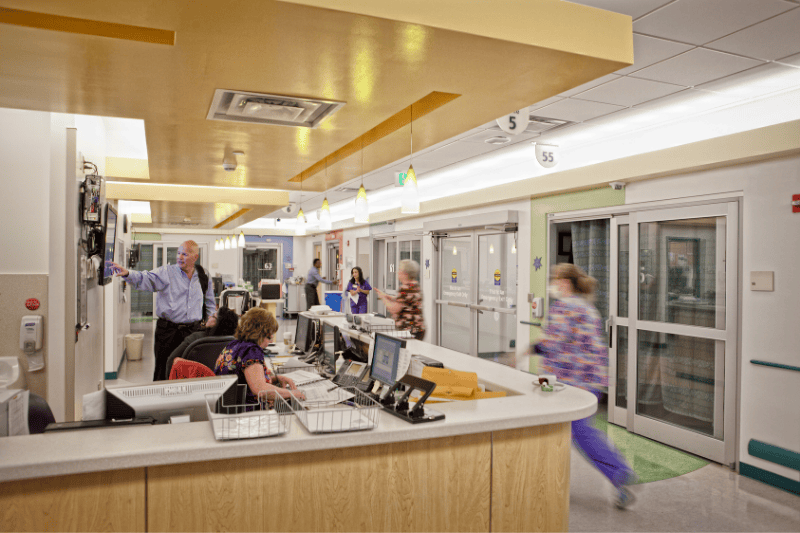
The Emergency Department at Valley Children’s provides emergency pediatric and trauma care to infants, children and adolescents up to 21 years of age, with access to all pediatric subspecialties and associated physicians in the hospital. We operate a 39-bed Level II Pediatric Trauma Center that sees about 120,000 patient visits every year.
Meet the Team
Planning Your Visit
We understand that visiting the Emergency Department can be an overwhelming and stressful experience. This page gives you all the important information you need to prepare for a visit and explains what to expect when you arrive. Start by watching the video below.
Frequently Asked Questions (FAQs)
How do I know if my child should go to the Emergency Department?
- If you’re worried about your child’s health, call your primary care provider first. They can give you advice over the phone, tell you if an ER visit is needed and may even call ahead for you.
- If your child is having a medical emergency, don’t wait. Call 9-1-1 or go to the nearest Emergency Department right away.
What should I bring?
- Please bring your insurance card, identification card, the name of your child’s primary care provider (PCP) and your preferred pharmacy, any paperwork or test results related to your child’s emergent condition, a list of any allergies and the name and dose of all medications your child is currently taking.
- Other items you can bring include coloring pages, books or a phone or tablet with headphones to keep your child entertained. You may also bring your child’s favorite blanket or comfort item. A change of clothes for your child, diapers and formula for your infant are also recommended.
What should I avoid bringing?
- Try to leave other siblings or family members of the patient at home. During cold, flu and RSV season (fall, winter and early spring), the Emergency Department at Valley Children’s sees a significant increase in patient volume and space in our waiting area is limited. Learn more about our Visitor Policy.
- Do not bring noisy or otherwise disruptive toys or devices.
- Avoid heavily scented perfumes or lotions.
How long will the wait be?
- Wait times can change depending on how sick patients are and how busy the Emergency Department is. Our goal is to make sure the sickest children get help right away, while still caring for everyone who comes in.
What should I expect when I arrive?
- Screening and Registration: When you enter, a security officer will greet you and complete a quick screening. You may then meet with a registrar to provide insurance information or be asked to take a seat in the waiting room until a registrar comes to you later.
- Triage: Next, a triage nurse will call you to a small area to evaluate your child. The nurse will ask about your reason for visiting, take vital signs and do an initial exam. Patients are seen based on how sick or injured they are, not in the order they arrive. This means some patients who arrive after you may be seen first. If your child’s condition changes or worsens, let a nurse know right away.
- Busy Environment: The Emergency Department can be crowded, especially during peak times or cold/flu/RSV season. You may see patients waiting in hallways or other areas. To make space, visitor restrictions are limited to one parent or guardian per patient.
- Treatment Room: When your child is called back, you’ll go to a treatment room. The care team will explain any tests or procedures and encourage you to ask questions about your child’s condition.
- Discharge: Once your child’s doctor determines they can safely go home, you’ll receive discharge instructions. These may include home care guidance, prescriptions to fill or other directions specific to your child’s needs.
Why are other patients going back before us when we have been waiting longer?
- In most places, people are helped in the order they arrive. The Emergency Department is different. Nurses use a process called triage to decide who needs care first. This means patients who are more sick or badly hurt may be seen before others, even if they arrived later.
Can we make an appointment to come back later?
- No. The Emergency Department does not schedule appointments because it is designed to treat urgent needs right away.
Do you have a process to separate patients who are sick from those who are not?
- We have one waiting room for everyone. We ask people to be kind and give each other space when needed.
Can we wait in our car until it’s our turn?
- Unfortunately, no. Once you are registered to be seen, we are responsible for your child's safety. Staff need to be able to keep an eye on every patient.
Are we able to have food in the waiting room?
- Yes, but we ask that you clean up your mess and understand that some patients will be asked not to have anything to eat or drink before being seen by a doctor.
Can we go down to the cafeteria?
- It is important that you remain in the waiting room in case you are called to a room and for patient safety. If a patient is called a total of three times with no answer, they get removed from the list.
How many visitors can we have once we are roomed?
- The waiting room visitor policy is one caregiver per patient. Once in a room, there can be two adult caregivers per patient.
Do you supply blankets while waiting in the waiting room?
- We do not supply blankets. Please make sure to grab a jacket or blanket before leaving your home, as the Emergency Department tends to be cold.
Am I able to breastfeed during my visit?
- Yes, you are welcome to breastfeed during your visit. While there isn’t a designated breastfeeding room, our staff will help you find a comfortable and suitable space. Please let the triage team know and they will provide options for where you can feed your child.
Where is there a changing table located?
- There is a changing table in the waiting room bathroom closest to the water fountain.
Is there a separate area for patients with autism to wait?
- We don't have a separate waiting room, but we encourage parents to communicate with the triage nurse to help find suitable accommodations, if necessary.
Healing Hands, Caring Hearts
Everyone who comes to the Emergency Department seeking care is looking for our support to feel better. We ask that you stay calm and patient so we can give each child the best help possible. Children heal best in a place that is safe, kind and respectful of them. Please help us create a safe environment free of violence, weapons, harsh language, threats or actions that do not support healing and health.

Questions or Concerns During Your Visit
If you have any questions or concerns while your child is in the Emergency Department, please speak with any staff member. Our Patient Representatives team is also here to help. They are available Monday through Friday from 7 a.m. to 10:30 p.m., and on weekends from 1 p.m. to 11 p.m. You can reach them by calling 559‑353‑5425.